
Hue Imperial City stands as a powerful symbol of Vietnam’s history, culture, and royal heritage. Once the political and cultural center of the Nguyen Dynasty, this vast complex of palaces, temples, and gates offers a glimpse into a world shaped by emperors and tradition.
Located along the banks of the Perfume River, the Imperial City is a UNESCO World Heritage Site that continues to captivate visitors with its scale and atmosphere. Walking through its ancient walls feels like stepping back in time, where echoes of royal ceremonies and court life still linger.
For those interested in history, architecture, or cultural discovery, Hue Imperial City is an essential stop in central Vietnam.
Explore the citadel and its grand gates
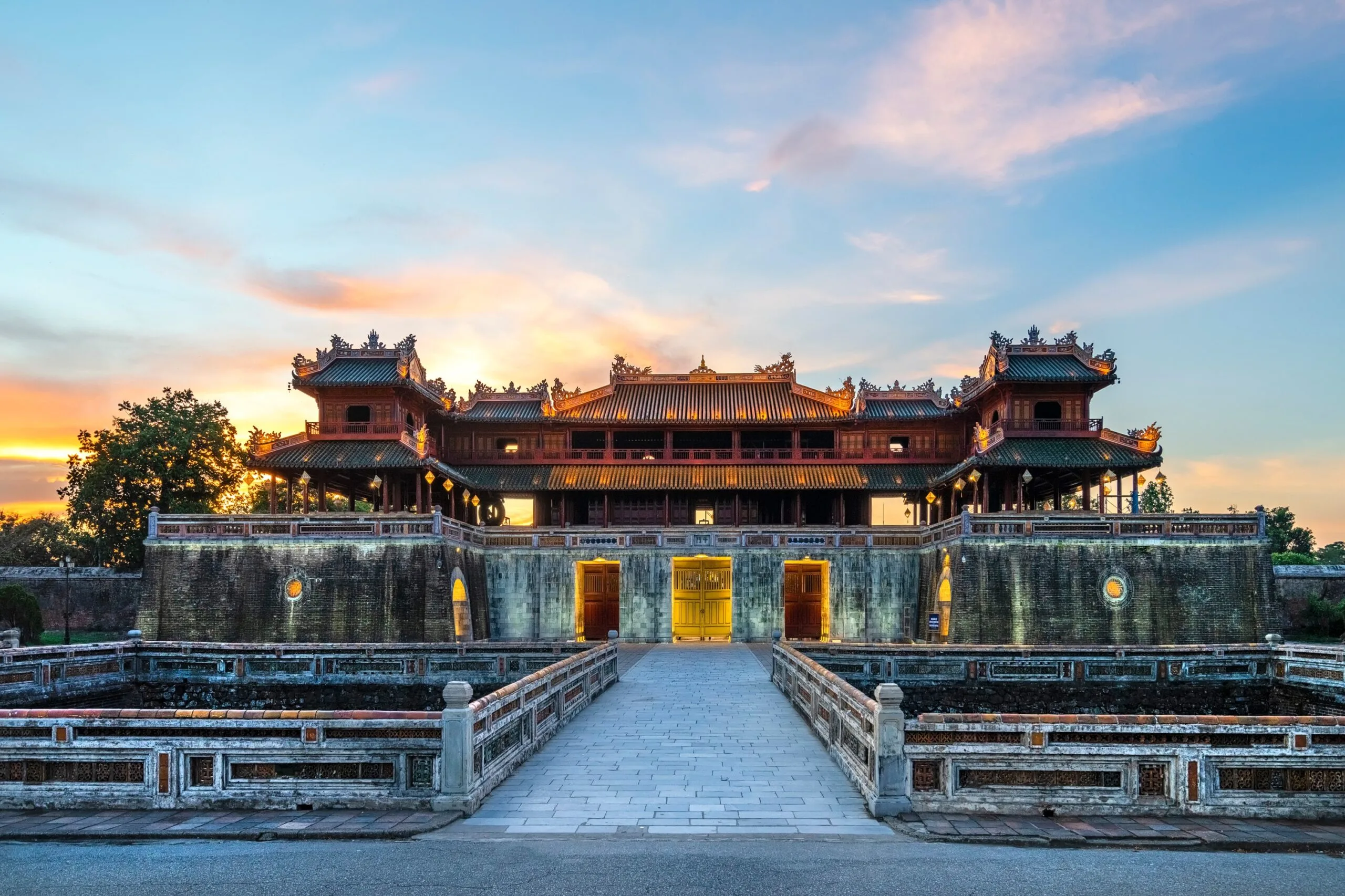
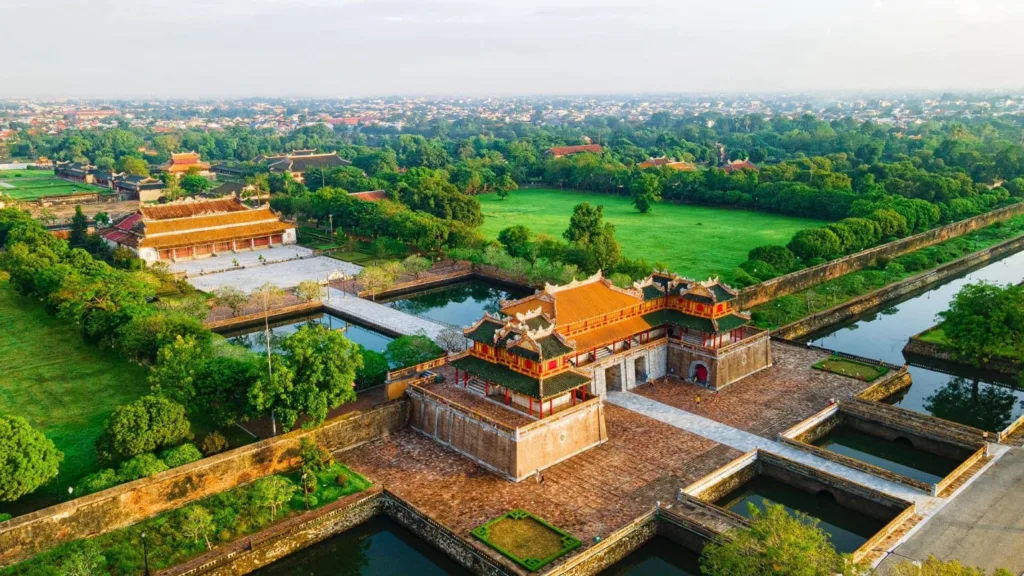
The Imperial City is surrounded by massive stone walls and a wide moat, forming a fortified citadel that once protected the royal court. Entering through one of its grand gates, especially the impressive Ngo Mon Gate, sets the tone for the entire experience.
Inside, wide courtyards and long pathways lead you deeper into the complex. The layout reflects traditional principles of balance and harmony, with each structure carefully positioned to align with royal and spiritual beliefs.
Walking through these spaces allows you to appreciate both the scale and the thoughtful design of the ancient capital.
Visit the h Imperial City of Hue
At the heart of the complex lies the Imperial City of Hue, once reserved exclusively for the emperor and his inner circle. Although much of it was damaged over time, ongoing restoration efforts are bringing parts of it back to life.
This inner sanctuary was where the emperor lived and conducted daily affairs. It was also the center of royal power, protected and hidden from the outside world.
Exploring this area offers insight into the private side of imperial life, adding depth to your understanding of Hue’s history.
Discover temples, palaces and royal architecture
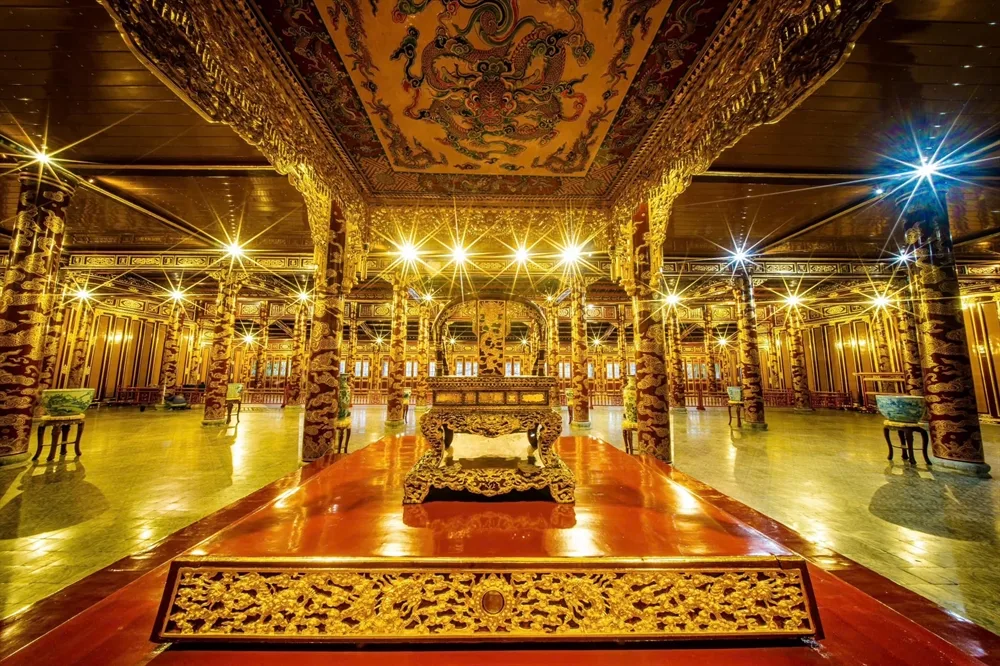
Throughout the Imperial City, you will find a collection of temples, halls, and palaces, each with its own purpose and story. Structures such as Thai Hoa Palace, where important ceremonies took place, showcase intricate designs and vibrant decorations.
The architecture reflects a blend of Vietnamese tradition and influences from Chinese philosophy. Roofs curve elegantly, columns are richly decorated, and every detail carries symbolic meaning.
These buildings are not just historical remains, they are expressions of art, belief, and identity.
Walk along the Huong River
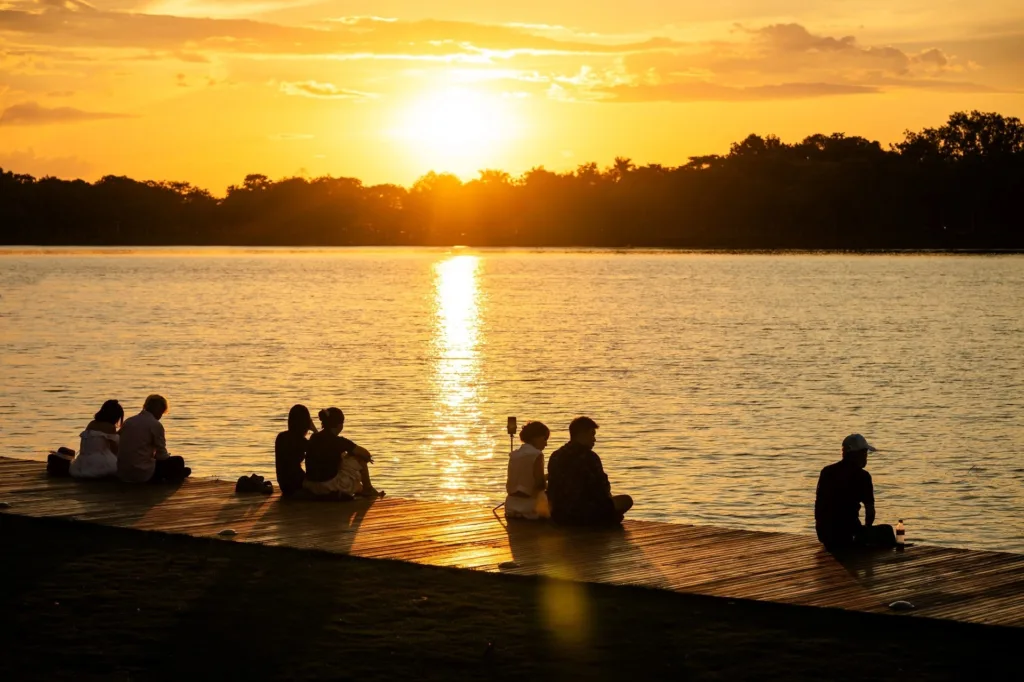
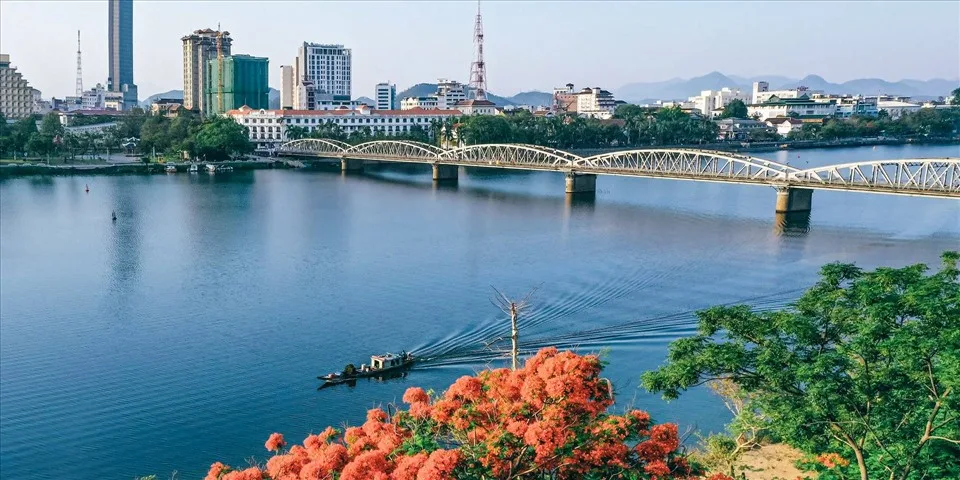
Just outside the Imperial City flows the Huong River, adding to the charm and tranquility of the area. A walk along its banks offers a peaceful contrast to the grandeur of the citadel.
Boat trips are also available, allowing you to see Hue from a different perspective. As you glide along the river, you can admire the surrounding landscapes and connect the Imperial City with other historical sites.
Experience Hue’s royal cuisine
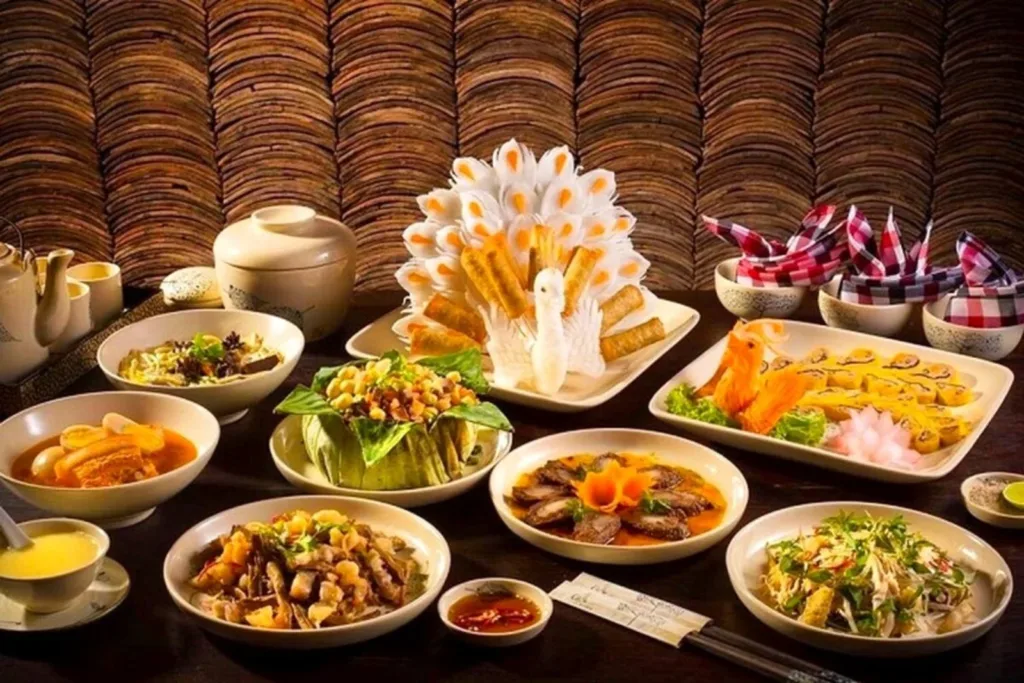
Hue is known for its refined cuisine, influenced by the tastes of the royal court. Many dishes were once prepared exclusively for emperors, with careful attention to presentation and flavor.
Trying these traditional meals is a cultural experience in itself. From small, delicately arranged dishes to rich and flavorful specialties, Hue’s cuisine reflects its royal heritage.
It is an essential part of understanding the city beyond its architecture.
Best time to visit Hue Imperial City
The best time to visit Hue is from January to April, when the weather is cooler and more comfortable for walking and exploring.
During this period, the skies are often clear and the heat is less intense, making it easier to spend time outdoors. The rainy season, especially from September to November, can bring heavy showers that may affect your visit.
Travel tips for visiting Hue Imperial City
- Wear light and comfortable clothing suitable for walking
- Bring a hat, sunscreen, and water
- Consider hiring a guide to better understand the history
- Allow enough time to explore the large complex
- Visit early in the day to avoid crowds and heat
Hue Imperial City is more than a historical site. It is a journey into a royal past that continues to shape Vietnam’s cultural identity.
From grand gates and hidden chambers to temples filled with symbolism, every part of the complex tells a story. The experience is both educational and atmospheric, offering a deeper connection to the country’s history.
If you are looking to explore Vietnam beyond its landscapes, Hue Imperial City is a destination that should not be missed.