
I. Best Time to Visit Vietnam
There’s no bad time to visit Vietnam! It all depends on what you want to experience while in the country. It is a bit of a tricky question because the country is so long (over 1,600 km) that it spans multiple climate zones. When it’s freezing in the northern mountains, it can be beach weather in the south.
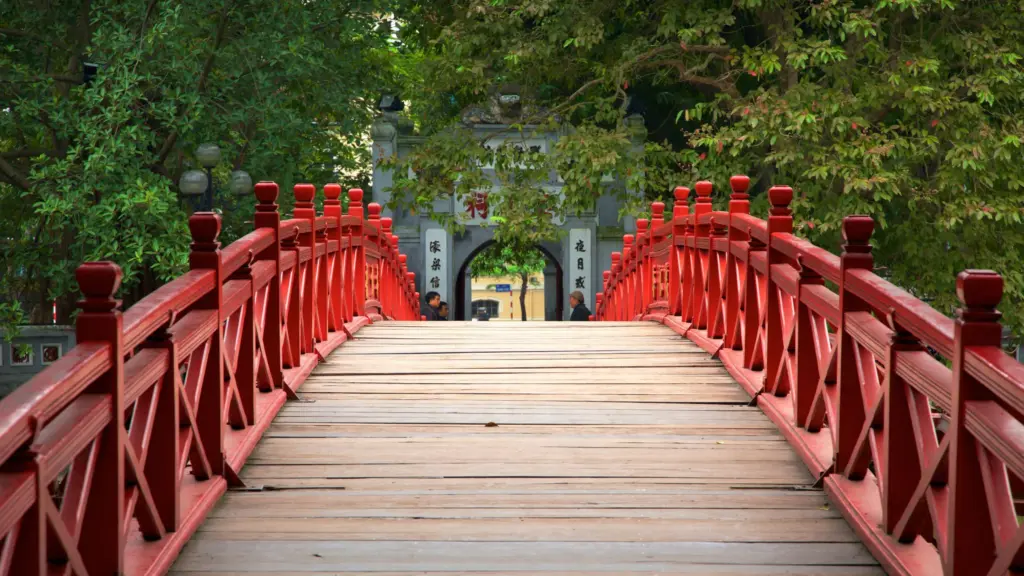
Best time by region
To get the best weather for specific destinations, use this regional cheat sheet:
| Region | Yearly Weather Outlook | Insights |
| Northern Vietnam (e.g. Hanoi, Ha Giang, Ha Long Bay) | December – March: Cool to cold, often misty and cloudy. April – June: Warm to hot, clearer skies. June – August: Hot, humid, possible storms and rains. September – November: Cooler with mixed sun and clouds. | Best time to visit: April to June, September to November for outdoor activities and clear skies. Temperature Range: December to March can be quite chilly (10-20 C). Layered clothing recommended. |
| Central Vietnam (e.g. Hoi An, Hue) | September – February: Cool, sometimes rainy, often cloudy, with possible small floods (especially in Hoi An). March – August: Warm to hot, mostly sunny and clear skies. | Best time to visit: March is ideal as skies clear and temperatures are comfortable for exploring Hoi An’s historic sites and nearby beaches. Temperature range: May to August can be very hot (25-35 C); prepare for heat and beach outings. |
| Southern Vietnam (e.g. Ho Chi Minh city, Mekong Delta) | December – Agril: Hot and dry, clear skies. May – November: Hot, humid, with predictable afternoon downpours, especially in the Mekong Delta. | Best time to visit: December to April for clear skies and optimal sightseeing in Ho Chi Minh city and the Mekong Delta. Temperature Range: Consistently warm (25-35 C) with high humidity. |
You can visit at any time throughout the year.
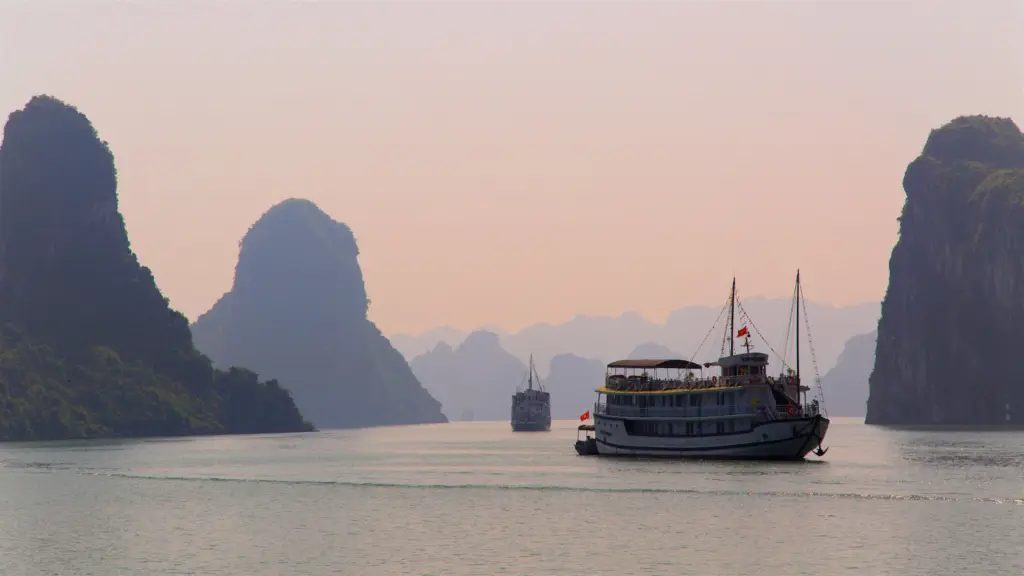
Breaking it Down by Season
1. Spring (March – April): The All-Rounder
This is widely considered the best time for a north-to-south crossing.
- The Vibe: Moderate temperatures everywhere.
- Highlight: Perfect for trekking in Sapa and cruising Ha Long Bay without the winter mist or summer storms.
2. Summer (May – August): Beach & Rice Paddies
This is technically the “low season” for international travelers, but “high season” for locals.
- The Vibe: Hot and humid with frequent afternoon downpours in the North and South.
- Highlight: This is the best time for Central Vietnam’s beaches (Da Nang, Nha Trang) as they stay dry while the rest of the country gets wet. Also, the rice terraces in the North are at their most vibrant green.
3. Autumn (September – November): The Photographer’s Choice
- The Vibe: Hanoi is at its most beautiful (cool and breezy). The northern mountains turn golden as the rice harvest begins in late September.
- Warning: Central Vietnam enters its rainy season. Hoi An frequently floods in October and November – it can be atmospheric but expect to get your feet wet!
4. Winter (December – February): The Southern Escape
- The Vibe: The North can be surprisingly cold and grey (bring a jacket!). The South is at its absolute best – dry, sunny, and perfect for the islands.
- The “Tet” Factor: Late January or February usually hosts Tet (Lunar New Year). While festive, many shops close, and transport becomes incredibly difficult to book.
II. What to Expect
Language: The official language in Vietnam is Vietnamese.
Currency: The currency of Vietnam is the Vietnamese Dong.
Credit Cards and ATMs: You won’t have a problem finding ATMs in Vietnam’s big cities like Ho Chi Minh and Hanoi. Most ATMs accept Visa cards, but you might struggle to find one that accepts Cirrus and Maestro.
Plugs: The plugs in Vietnam are types A, C, and F. The standard voltage is 220 V, and the standard frequency is 50Hz. We recommend using a universal adapter (make sure it has surge protection) and using a converter for hairdryers and hot tools.
Safety: Vietnam is considered a relatively safe destination, and serious security concerns affecting tourists are rare. Nevertheless, we advise our clients to remain vigilant against petty crimes such as pickpocketing and scams, which may occur in any location. Especially in Ho Chi Minh city, it’s not uncommon for people to ride up next to you on their bikes and grab your phone out of your hands.
Some deepest tips that only “experts” can tell you:
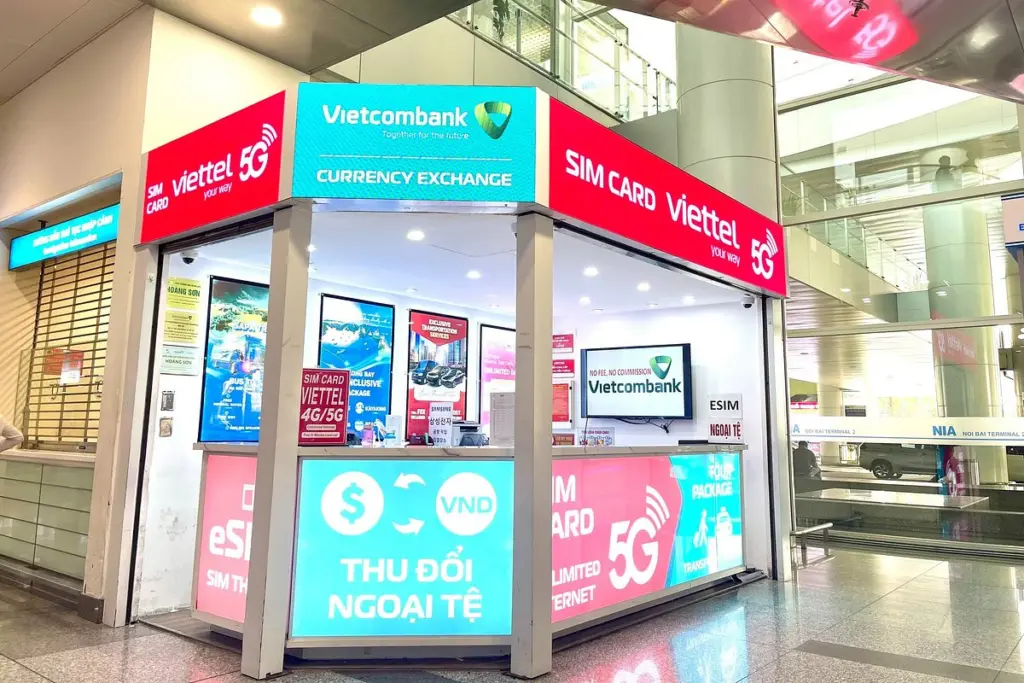
– Money Exchange: Normally, you can exchange money at the airport, hotels where you stay and normal Banks. However, it can be more expensive due to currency rate exchange. Places that you should change money for better rate: Ha Trung Street, Hang Bac Street (in Hanoi).
– Get a Sim/Cards: In the airport, there are many people providing sim/cards. However, there are also many scams so be careful of that. To be in safety, you should change sim/cards provided by the hotel staff (if any) for more convenient and better in use
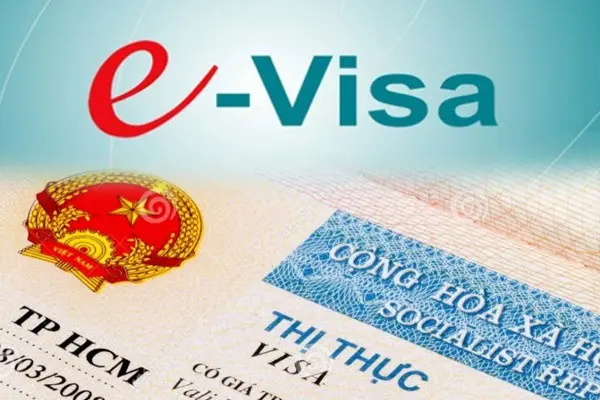
– Apply for an e-visa in advance, even though it’s said to be issued within 3 working days, it may take more, so be aware of that.
III. 10 Vietnamese Dishes That Create Lasting Memories
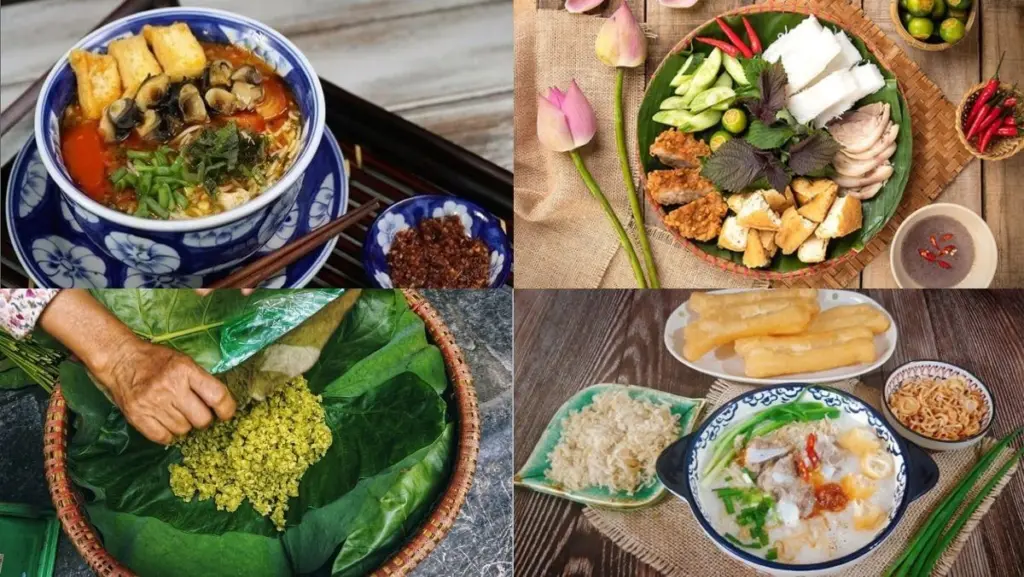
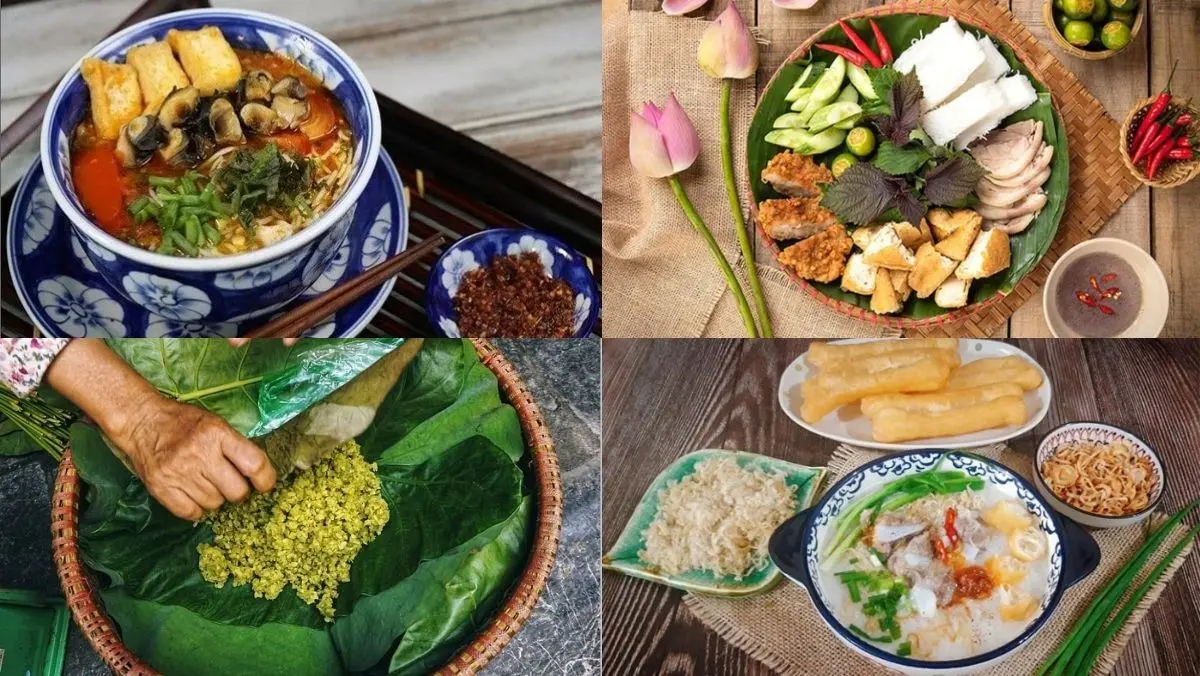
Vietnamese cuisine is characterized by its use of fresh ingredients and minimal oil or dairy, contributing to its reputation as one of the healthier culinary traditions worldwide. Typical components include fish sauce, soy sauce, rice, noodles, a variety of fresh herbs, fruits, vegetables, and assorted proteins.
Let’s learn 10 foods you must try in Vietnam.
Goi Cuon
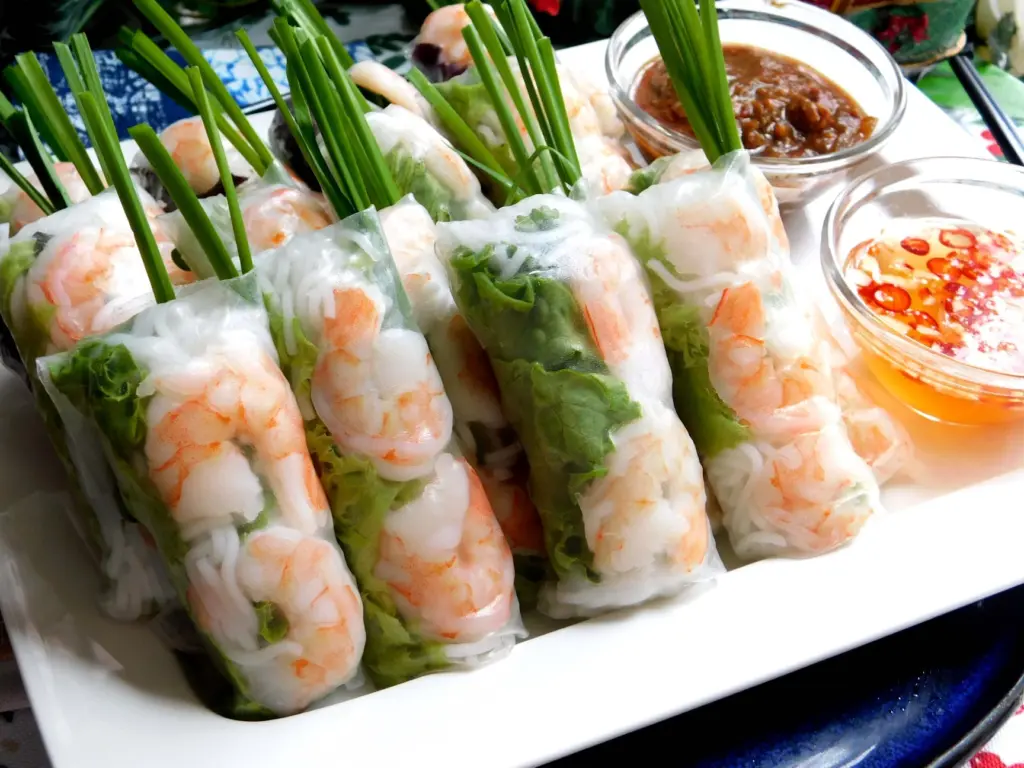
Many people are familiar with the fried spring rolls but Gỏi cuốn is the lighter and healthier alternative. The fresh spring rolls consist of thin vermicelli noodles, pork, shrimp, lettuce, and mint, all tightly wrapped in translucent rice papers. Because of their mild flavor, they’re usually dipped in a peanut or fish sauce.
Yum!
Cao Lau
When exploring the ancient towns of Vietnam, trying cao lầu is a must. This Hội An noodle dish is topped with pork, crunchy rice crackers, spices, and a handful of fresh herbs and lettuce.
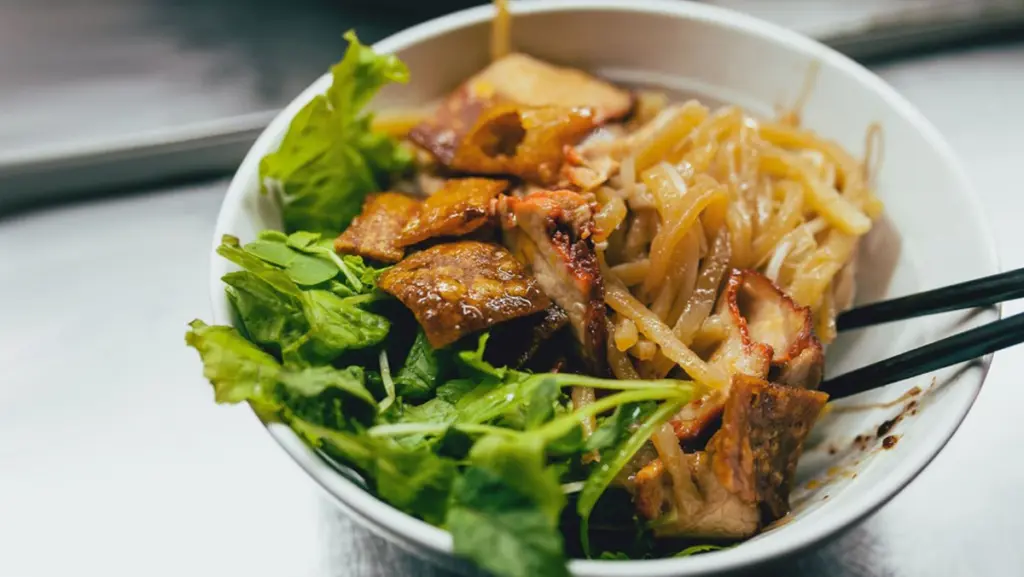
A little bit of broth rests at the bottom of the bowl; both the texture and color of the dish set it apart from other Vietnamese noodle dishes.
Bún Bò Xào
Bún bò xào is a noodle salad—in Vietnam, it’s considered a light meal rather than an appetizer.
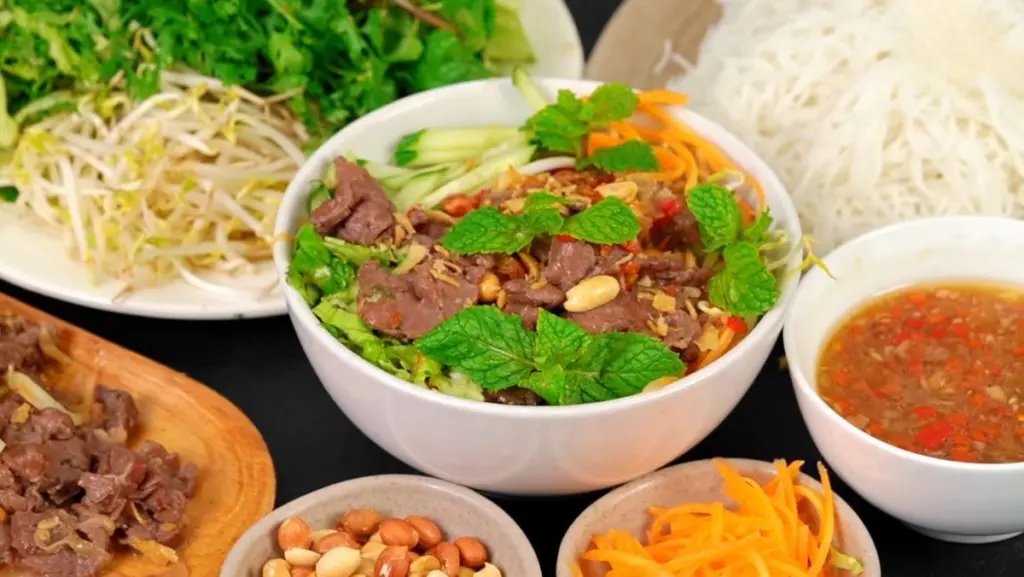
Served in layers, the dish consists of rice noodles, vegetables, beef that has been marinated in lemongrass, roasted peanuts, crispy fried shallots, and lots of fresh herbs such as cilantro, lemon, basil, and mint.
Com Tam
Com tam, also known as broken rice, is traditionally served with a fried egg, grilled pork, prawns, or beef, and both fresh and pickled vegetables.
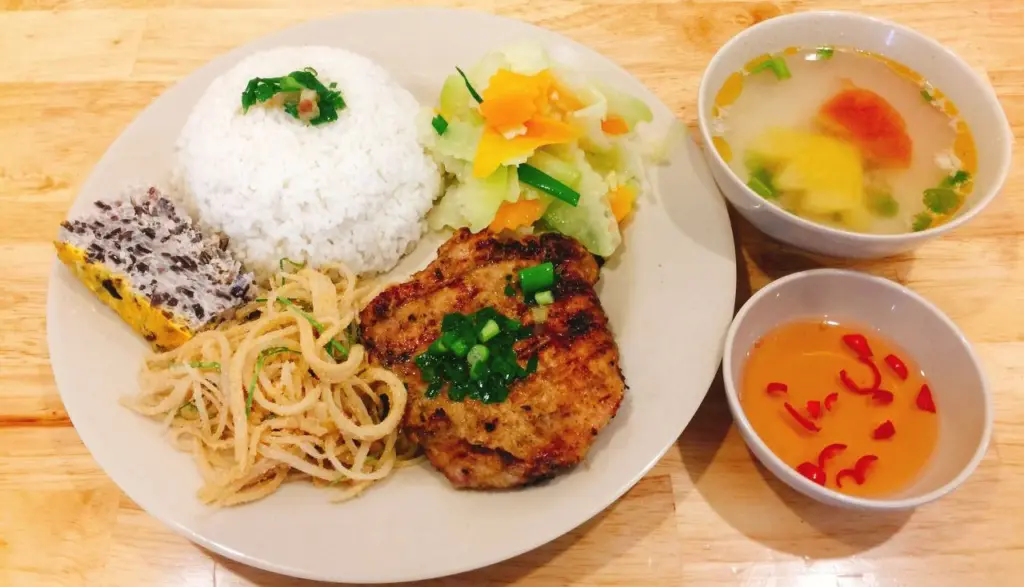
It’s a popular dish for breakfast or lunch and is an extremely inexpensive option. Street markets and food stalls sell it for VND 20,000. That’s less than $1 USD!
Bánh Mì
Bánh mì is a popular French-Vietnamese sandwich that’s great for a quick fix on the go.
It’s served on a baguette, which though it might look like the French bread, has a much sweeter flavor! The bread that serves as the foundation for the sandwich was introduced to Vietnam in the middle of the 19th-century when Vietnam was part of French Indochina.
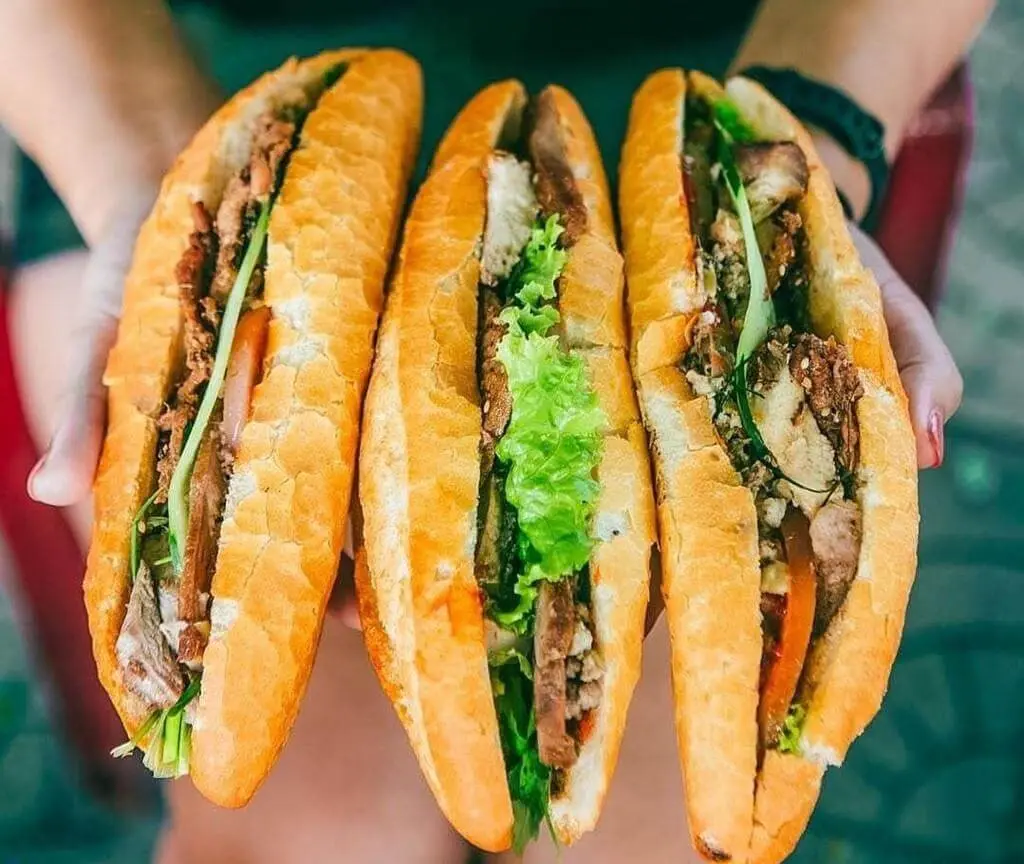
Between the baguette sits pickled vegetables, pate, butter, soy sauce, cilantro, chilies, and hot peppers. You’ll find lots of variation when it comes to this sandwich…but my goodness, are they all divine!
Pho (or Phở)
Phở is arguably the most popular Vietnamese dish in the world.
There are two main options: chicken (Phở Ga) and beef (Phở Bo). Aside from the meat, a typical bowl of phở contains rice noodles (for which the dish is actually named after), bean sprouts, lime wedges, cilantro, basil, mint, and sliced onion.
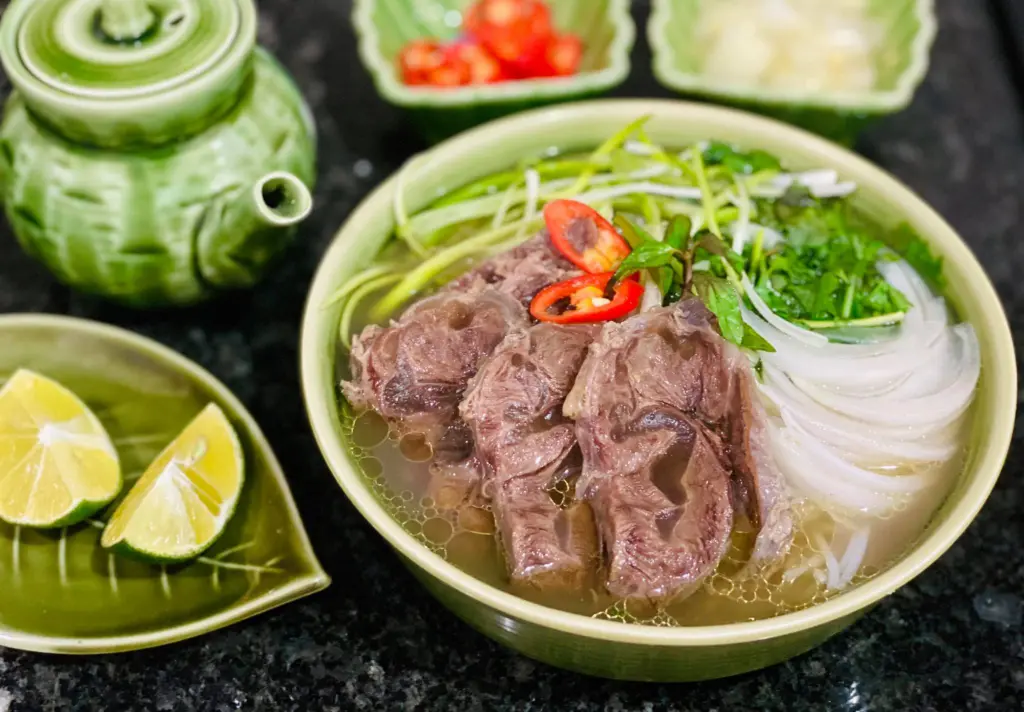
If you like your broth a bit more flavorful, you can add chili sauce and jalapenos to give it a bit more of a kick…however I’ve found the places that have really good broth don’t need anything else added.
Bún Chả
Originating from Hanoi, this noodle dish is by far one of the most popular in the capital city!
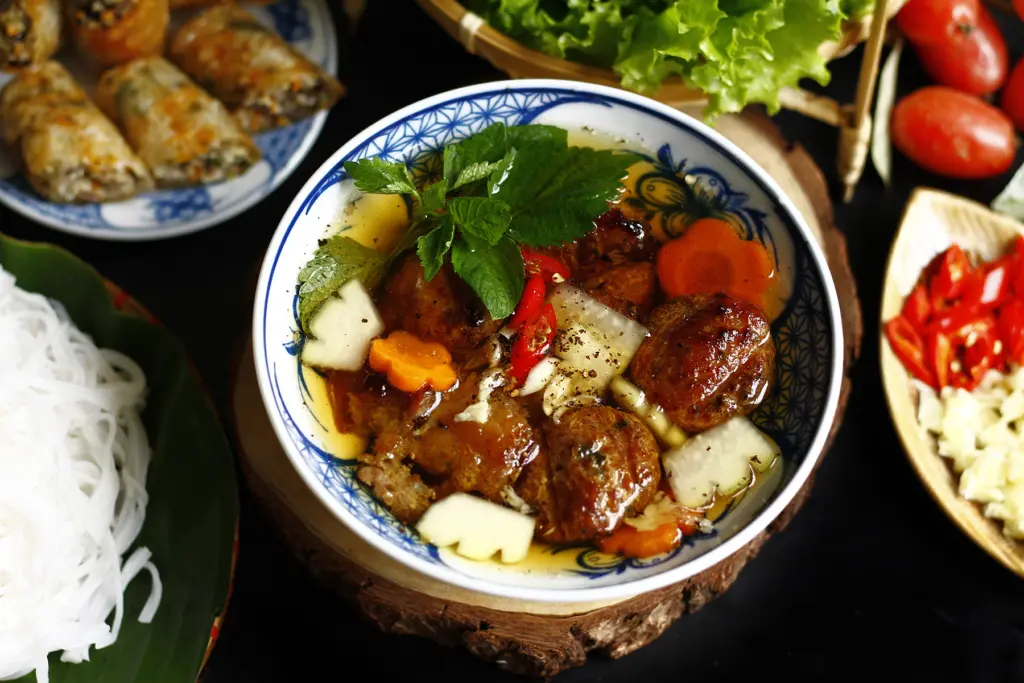
Small patties of seasoned pork and pork belly are grilled over charcoal. The dish is served with a variety of sauces so you can pick and choose.
The meat is then served with herbs, a plate of vermicelli noodles, and chả giò (deep-fried rice paper rolls).
Bánh Xèo
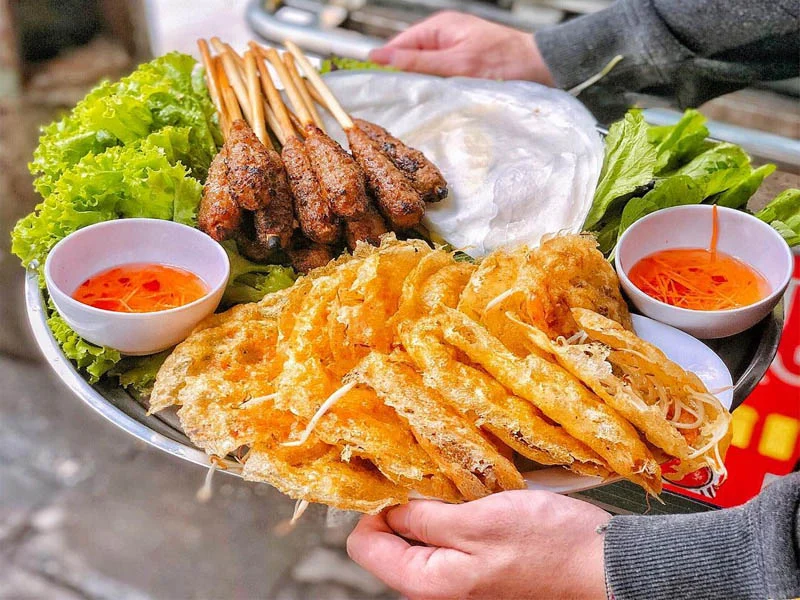
Bánh Xèo is a savory crepe made from rice flour and turmeric powder, which is then stuffed with pork, shrimp, and bean sprouts.
Many choose to wrap it in lettuce and dip it in fish sauce to give it a bit more of tanginess.
Bún Bò Huế
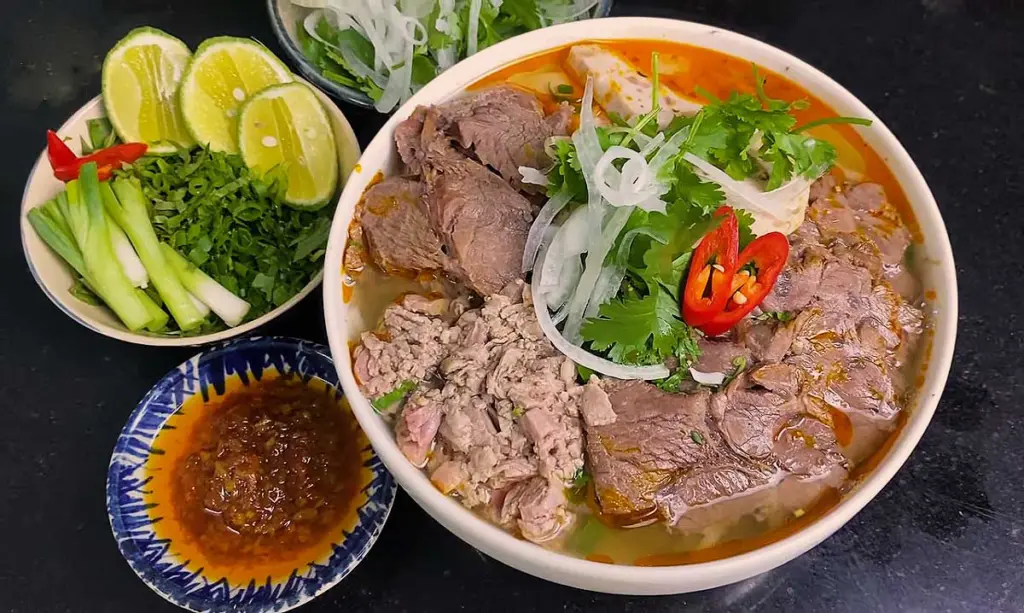
Sometimes referred to as bún bò, this sweet and spicy soup is perfect for a cold day!
Beef broth is prepared with lemongrass, shrimp paste, sugar, and chili oil and is then added to a bowl of rice noodles, a variety of meats, lime, and herbs. It’s the perfect combination of sweet, salty, and spicy, all in one dish.
Bò Kho
Pronounced “baw-khaw,” this dish is the Vietnamese version of the French boeuf bourguignon.
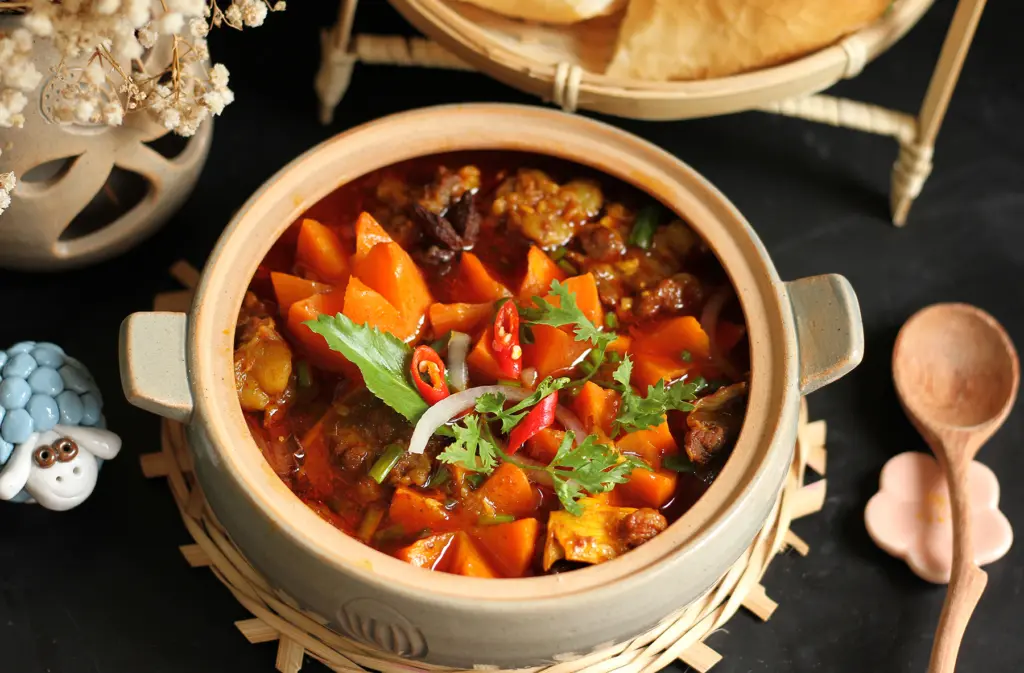
Comprised of beef shank and tendon that is stewed in lemongrass and five-spice flavored broth, you typically dip a piece of bánh mì bread into the sauce before feasting on the meat and veggies. You can also get it as a noodle-based dish—this is known as mì bò kho.
Bonus: Vietnamese Coffee + Breakfast
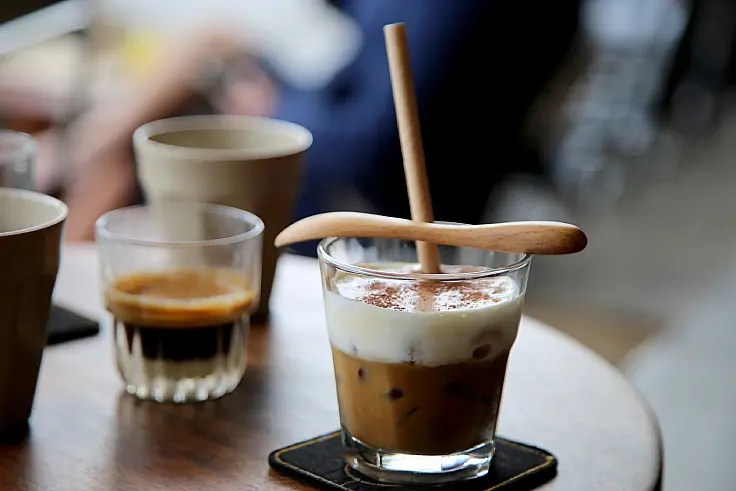
Vietnamese coffee is quite different than what you would expect from a typical cup of Western coffee.
It’s especially sweet as it’s typically served with sweetened condensed milk—because of this, fresh milk, sugar, or cream are not necessary.
A typical Vietnamese breakfast will likely consist of noodles (phở) or sticky rice (xoi). In Saigon, if you’re craving eggs, you can order com tam. In some areas, you might find bánh bao—a Vietnamese bun similar to dim sum—which is a great “grab-and-go” breakfast.
IV. Essential Vietnam Travel Tip Guide: Visa Requirements
Depending on your nationality, you may or may not be required to apply for a tourist visa before travelling to Vietnam. You can check below:
As of March 2026, Vietnam offers visa exemptions for ordinary passport holders from 39 countries (up to 90 days), including 12 nations (e.g., UK, France, Germany, Japan, South Korea) allowed 45 days, and 10 ASEAN countries up to 30 days. All visitors, including those with visas, can stay on Phu Quoc Island for 30 days without a visa.
- Visa-Free Countries List (45 Days – Unilateral Exemption)
Citizens of the following countries are exempt from visa requirements for up to 45 days (updated policy from 2023-2024), regardless of passport type:
- Europe: United Kingdom (UK), France, Germany, Italy, Spain, Sweden, Norway, Denmark, Finland, Belarus, Russia.
- Asia: Japan, South Korea.
- ASEAN Member Countries (Visa-Free Agreement)
Citizens from ASEAN countries are exempt for the following durations:
- 30 days: Cambodia, Indonesia, Laos, Malaysia, Singapore, Thailand.
- 21 days: Philippines.
- 14 days: Brunei, Myanmar.
- Other Specific Exemptions
- Phu Quoc Island: Foreigners flying directly to Phu Quoc via international flights or transiting through other airports first can stay up to 30 days without a visa.
- APEC Business Travel Card: Holders can stay up to 60 days.
- 5-Year Visa Exemption Certificate: For Vietnamese residing abroad and their foreign spouses/children.
E-Visa: Travelers from all other nationalities and territories can apply for a Vietnam e-visa, which allows stays of up to 30 to 90 days. You can easily apply for a Vietnam e-visa on the government website before your trip.
Once you have received your Vietnam e-visa, here’s how you need to prepare yourself for a smoother immigration process:
– Take a printout of your Vietnam e-visa to present upon immigration.
– Also, carry your original passport, valid for at least six months from the date of arrival in the country.
– You must enter Vietnam within the validity period of your e-visa, which will be clearly stated on it.